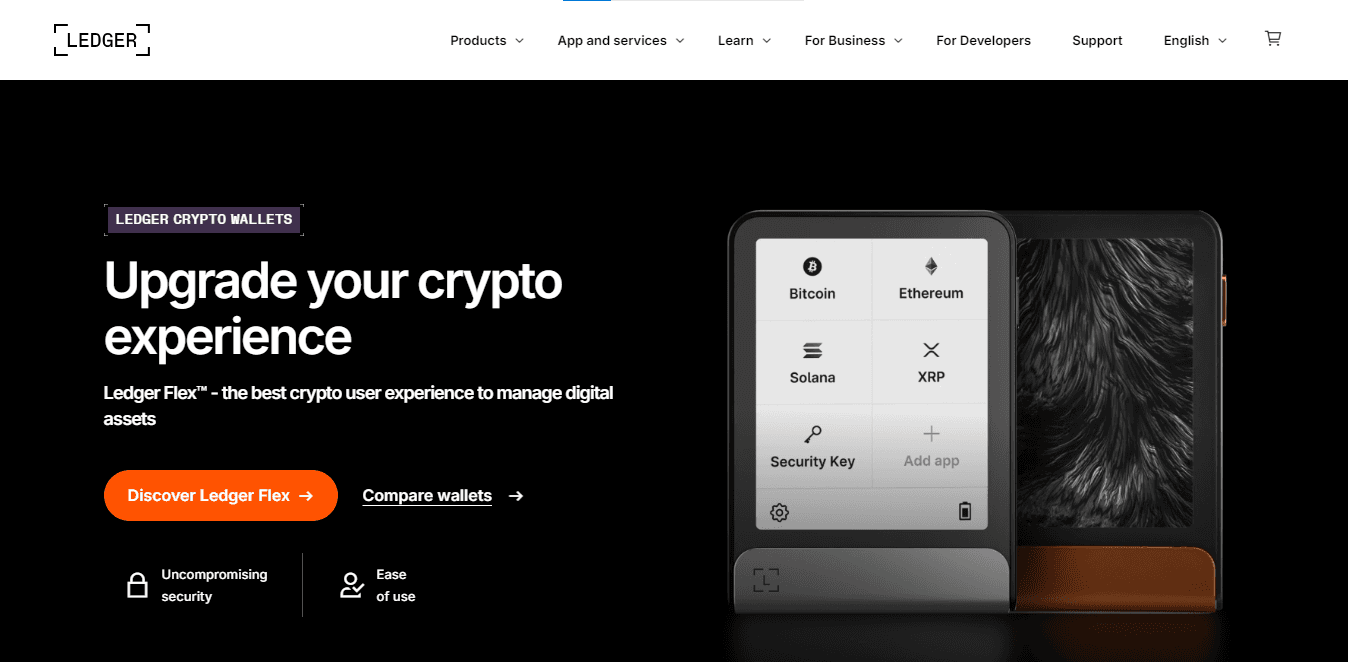
Getting Started with Ledger.com/start: Your Gateway to Secure Crypto Self-Custody
In an era where centralized exchanges collapse overnight and private keys are routinely compromised, hardware wallets have evolved from optional accessories to non-negotiable infrastructure. Ledger, the Paris-based leader in digital asset security, welcomes new users through its streamlined onboarding portal: Ledger.com/start. This dedicated microsite serves as the official, phishing-resistant entry point for setting up any new Ledger device—whether you’ve just unboxed a Nano S Plus, Nano X, or the flagship Stax.
Why Ledger.com/start Matters More Than Ever
The URL itself is deliberately simple and memorable, a strategic defense against the sophisticated phishing campaigns that impersonate Ledger with near-perfect replicas. By bookmarking ledger.com/start (note the missing “www” and the absence of hyphens or subdomains), users eliminate 99% of social-engineering risk. Ledger’s security team has hardened this endpoint with HSTS preloading, certificate pinning, and real-time domain monitoring, ensuring that any deviation redirects to a warning page rather than a fake site.
Step-by-Step Onboarding with Ledger Live
Visiting ledger.com/start instantly launches the native Ledger Live setup wizard—no downloads from third-party sources, no torrent files, no “special” APKs. The process leverages progressive web-app technology and WebUSB/WebHID protocols for zero-driver installation on modern operating systems.
- Genuine Device Verification The first screen prompts you to connect your Ledger. Ledger Live performs cryptographic attestation, confirming that your device contains a certified Secure Element (ST33K1M5 or newer) with an authentic attestation certificate chain traceable to Ledger’s root of trust.
- Seed Phrase Generation Your 24-word recovery phrase is generated entirely inside the hardware’s BOLOS operating system. Unlike software wallets, no plaintext seed ever touches your computer. The screen explicitly warns against screenshots, screen recorders, or entering the phrase anywhere except the device itself for recovery.
- Pin & Biometric Configuration Users set an 8-digit PIN (minimum) and, on supported models like Stax, enable secure touchscreen lock or Bluetooth pairing with end-to-end encrypted channels.
- Firmware Integrity Check & Update Ledger Live compares the device firmware hash against Ledger’s official repository. If a newer secure version exists, the update is signed with Ledger’s private key and verified before flashing—eliminating the risk of supply-chain downgrade attacks.
- App Installation Ecosystem From Bitcoin and Ethereum to Solana, Cardano, and thousands of ERC-20 tokens, the built-in Ledger Live app catalog installs only cryptographically signed applications. Each app runs sandboxed inside the Secure Element, guaranteeing that even if one chain’s app were compromised, others remain isolated.
Beyond Setup: Best Practices Post-Ledger.com/start
After initialization, enable the “Genuine Check” bookmarklet from Ledger’s official resources, passkey support (WebAuthn) for Ledger Live login, and optionally pair with the Ledger Recover service—an optional, identity-verified, shamir-secret-sharing backup operated by Coincover and protected by French data-protection laws.
The Bottom Line
Ledger.com/start is far more than a setup page; it is Ledger’s fortified front door to genuine hardware security. In under five minutes, it transforms a cold piece of hardware into the most battle-tested self-custody solution available to retail and institutional users alike. In a landscape littered with exit scams and key-exfiltration trojans, starting your journey at the correct, officially sanctified URL is the first—and perhaps most crucial—security decision you will ever make.